You’ve made the decision – it’s time to remodel your kitchen. Whether you’re dreaming of a complete transformation or just ready to finally update those outdated countertops and cabinets, deciding to remodel is the exciting first step. What comes next, though, is where a lot of homeowners get stuck. A kitchen remodel involves a lot of moving parts, and jumping in without a clear plan can cost you serious time and money. Here are 10 steps to take right now to get your project off on the right foot.
1. Define Your Vision Before Anything Else
Before you call a single contractor or walk into a single showroom, get clear on what you actually want. Start collecting photos from websites, magazines, and social media of kitchens that speak to you. Ask yourself the big questions: Do you want to change the layout, or keep the same footprint? Are you focused on more storage, more counter space, or a completely new look? What’s a must-have versus a nice-to-have? The more specific your vision is before the project starts, the easier every decision that follows will be. A clear picture of your end goal keeps the whole project on track.
2. Set a Realistic Budget Right Away
Kitchen remodels can range from under $10,000 all the way to $100,000 or more, so setting a budget early is one of the most important things you can do. A common rule of thumb is to spend between five and fifteen percent of your home’s total value on the remodel. Whatever your number is, make sure you build in a cushion of at least ten to fifteen percent for unexpected costs – because in remodeling, surprises are almost guaranteed. Knowing your real budget upfront helps you make smart decisions about where to splurge and where to save and keeps you from running out of money before the project is finished.
3. Decide What You’re Keeping and What’s Going
Walk through your kitchen with fresh eyes and make a list of what stays and what goes. Are the cabinets in good shape, or do they need to be replaced entirely? Is the flooring something you can live with, or is it part of what’s driving the remodel? What about the appliances, the sink, or the lighting? Getting clear on what you’re replacing versus what you’re keeping helps you scope the project accurately, get more precise estimates from contractors, and avoid making costly decisions midstream when you’ve already torn everything apart.
4. Hire a General Contractor Early
If your remodel involves structural changes, plumbing, electrical work, or anything beyond surface updates, you’ll want a general contractor leading the project. The key is to start looking early – qualified contractors are often booked four to eight months out. Interview at least three before making a decision. Ask for references, look at past work, and pay attention to how they communicate. A great general contractor keeps your project on schedule, manages subcontractors, handles problems when they come up, and makes sure the job is done to code. Hiring late is one of the most common and costly mistakes homeowners make.
5. Apply for Permits Before You Start
Many homeowners skip this step or don’t realize it’s required, and it can cause major headaches down the road. If your remodel involves structural changes, moving plumbing, or updating electrical systems, you’ll likely need permits from your city or municipality. Your contractor can often handle this process, but it’s your responsibility to make sure it happens. Permit reviews can take weeks or even months depending on where you live, so apply early and factor the timeline into your project plan. Skipping permits can result in fines, failed inspections, or problems when you go to sell your home later.
6. Choose Your Materials and Order Early
Cabinets, countertops, flooring, appliances, lighting, sinks, and hardware all need to be selected and ordered well before construction begins. Lead times on cabinets and specialty materials can stretch several weeks or even months, and delays in any one item can stall the entire project. Order samples early so you have time to compare options and make confident decisions. Countertops need to be measured from the actual installed cabinets to ensure a precise fit, so that step always comes last in the material sequence.
7. Set Up a Temporary Kitchen
This one often catches homeowners off guard. A kitchen remodel can take anywhere from a few weeks to several months, and during that time your kitchen won’t be functional. Before demolition begins, set up a temporary space with the basics – a mini fridge, a microwave, a coffee maker, and any other essentials you rely on daily. Think through your meals in advance and budget extra for takeout and dining out. It sounds like a small detail, but living without a kitchen for weeks is a real adjustment, and planning ahead makes the whole experience much less stressful.
8. Stick to Your Plan Once Construction Starts
Once demolition begins and the project is underway, changes get expensive fast. Swapping out a cabinet style, moving a wall, or deciding you want a different countertop material midway through construction can add thousands of dollars to your budget and weeks to your timeline. Make your decisions before construction starts, commit to them, and resist the urge to make last-minute changes. Every change order needs to be signed off on in writing, with a clear understanding of the cost and schedule impact before any new work begins. Discipline during construction is what keeps a remodel from spiraling.
9. Plan Your Countertops as a Priority
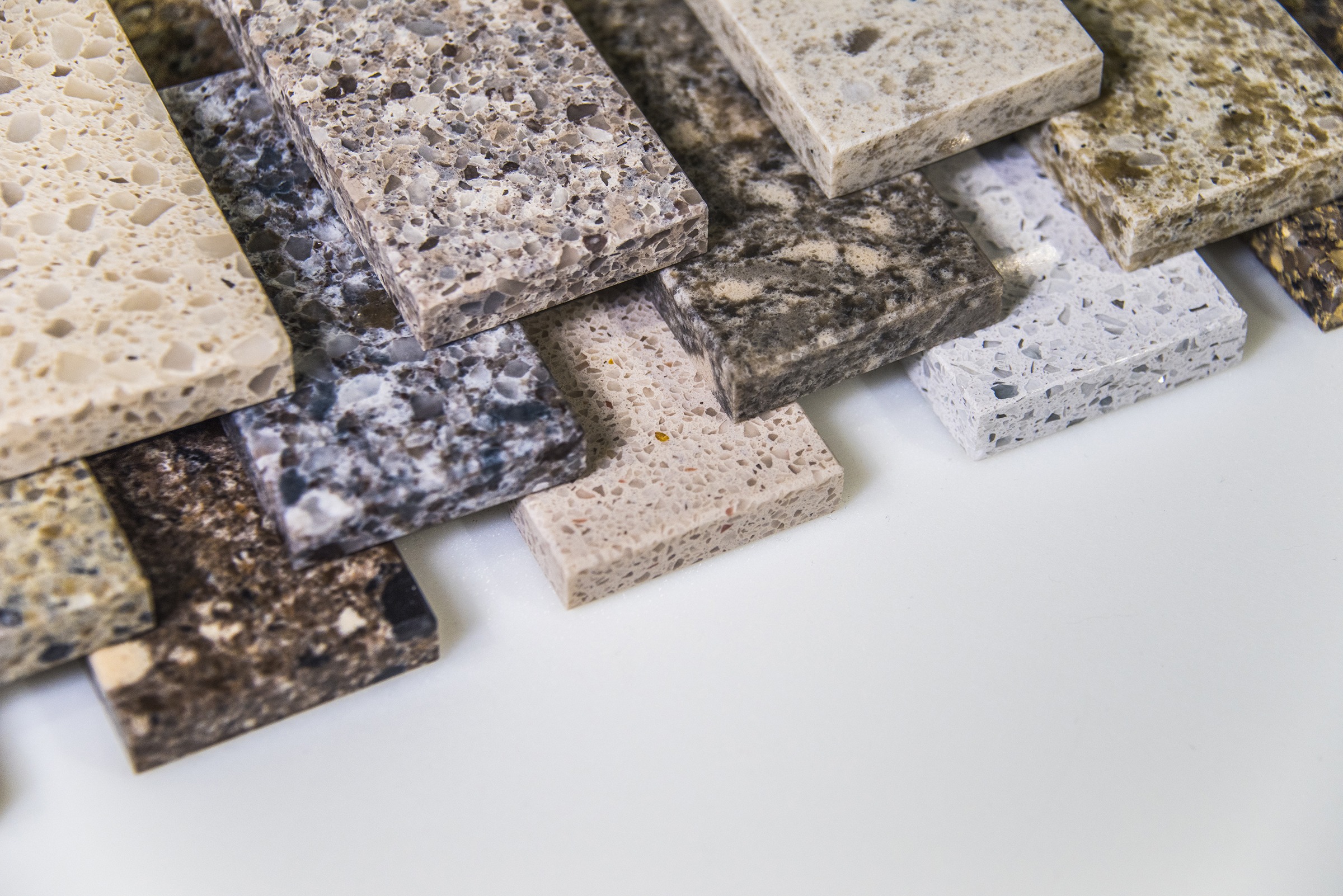
Countertops are one of the most impactful visual elements in any kitchen, and they’re also one of the last things to be installed – which means they need to be planned early even if they’re installed late. After your cabinets go in, measurements are taken for fabrication, and then the material is cut and finished before installation. This process can take two to four weeks depending on the material you choose. Granite and quartz are two of the most popular choices for Minnesota homeowners because of their durability, beauty, and long-term value. Visiting a stone showroom early in the planning process gives you time to see colors in person and make a confident selection.
10. Do a Final Walkthrough Before You Unpack
Before you move everything back into your new kitchen, do a thorough walkthrough with your contractor. Check that every cabinet door opens and closes properly, every appliance is level and connected correctly, every light fixture works, and every finish looks the way you expected. Create a punch list of any items that need attention and get a clear timeline for when they’ll be addressed. Take photos of the finished space before anything goes back in. Only after everything checks out should you unpack and settle in. A careful final walkthrough is what separates a smooth finish from a frustrating one.
Ready to Choose Your New Countertops? Visit RockSmith Granite & Quartz.
Countertops are one of the most important decisions in any kitchen remodel, and RockSmith Granite & Quartz makes that decision easy. Serving homeowners throughout the Twin Cities from our Apple Valley showroom, we specialize in granite and quartz countertops for kitchens and bathrooms, with professional measurement, fabrication, and installation handled from start to finish. With hundreds of stone options to choose from and a team that takes the time to help you find exactly what you’re looking for, we’re the countertop partner your remodel deserves. Contact RockSmith Granite & Quartz today to schedule your appointment and take one of the most exciting steps in your kitchen transformation.